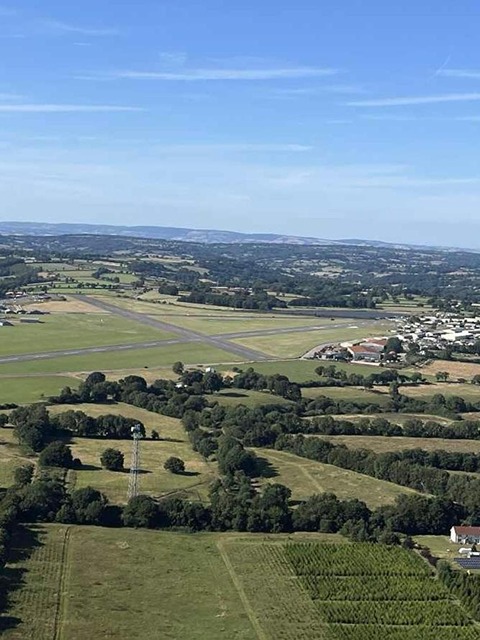
Dunkeswell Aerodrome — A Living Piece of Aviation History
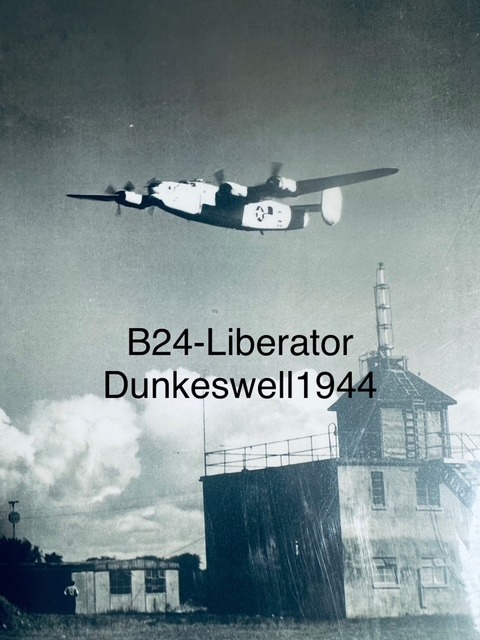
Nestled in the rolling hills of East Devon, Dunkeswell Aerodrome is steeped in rich aviation heritage. Opened in 1943 during the Second World War, the airfield was built for the United States Navy, becoming the only US Naval Air Base in Europe. From this very site, American aircrews flew long-range patrols over the Atlantic in search of enemy submarines, operating aircraft such as the Consolidated Liberator.
The airfield played a vital role in protecting essential supply convoys crossing the Atlantic, and the legacy of those wartime missions still echoes across its runways today. Many of the original hangars and dispersal areas remain, standing as quiet reminders of Dunkeswell’s importance to the Allied effort.
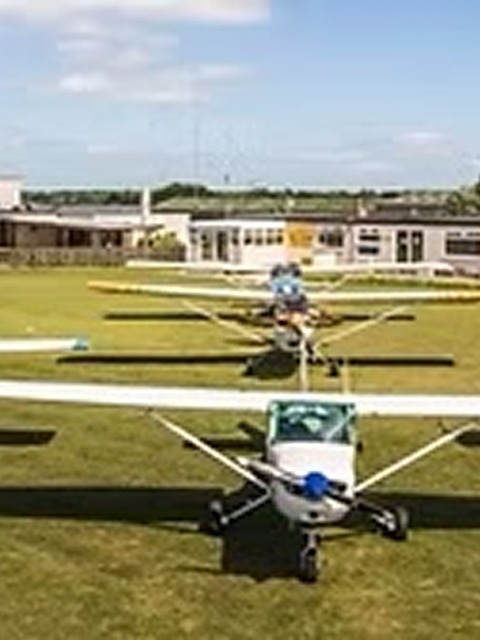
After the war, the aerodrome passed into civilian hands and evolved into one of the South West’s most active and welcoming general aviation centres. Today it’s home to Devon & Somerset Flight Training and many historic aircraft — including the de Havilland Tiger Moth, which continues to offer the unique open-cockpit flying experience that defined the golden age of aviation.
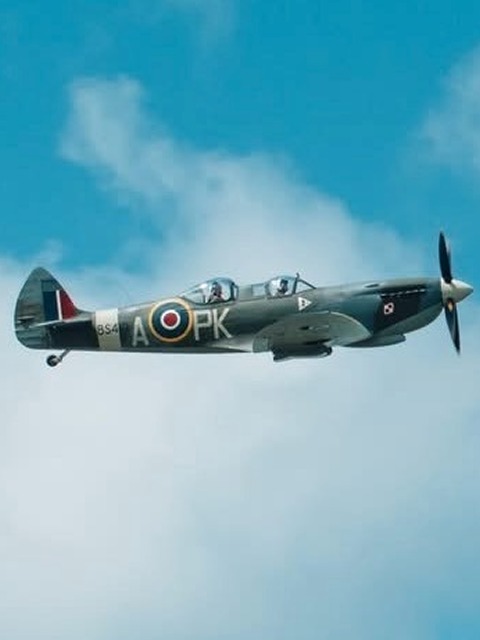
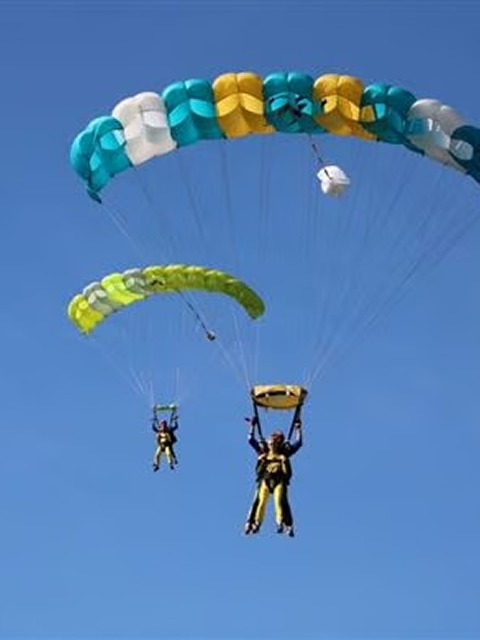
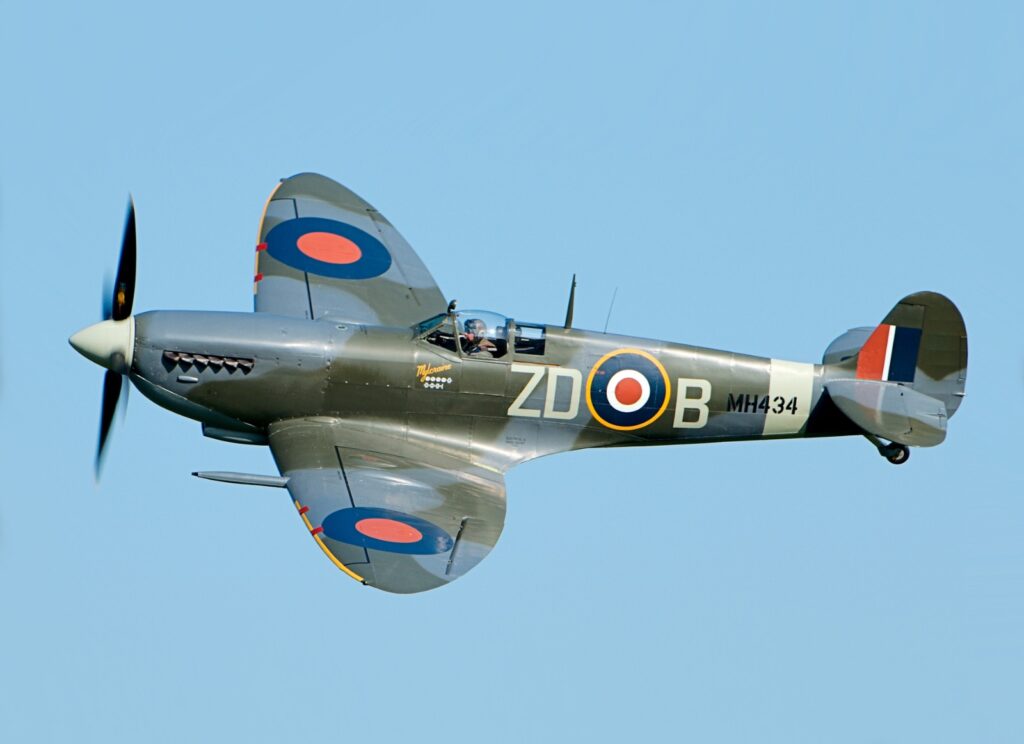
Helicopter and Spitfire Flights often operate from Dunkeswell during the Summer. There is also Parachuting and Wing Walking (for the brave) which all adds to the flavour of a great day out for all the family.
You can relax in the welcoming atmosphere of the Liberator Coffee Bar & Grill – a perfect place to view homebased flights as well as the hundreds of visiting aircraft throughout the year.
From wartime operations to peacetime adventure, Dunkeswell Aerodrome remains a place where history truly takes flight.